


5 Design Ideas for a Calmer Garden This Summer
The garden is often the one place where life naturally slows down, away from screens, schedules and everyday distractions.
No longer simply spaces for entertaining or tending to plants, gardens are increasingly being designed as places to relax, recharge and reconnect with nature. The rise of the wellness garden reflects a growing desire to create outdoor environments that support mental wellbeing, encourage time spent outdoors and offer a welcome escape from the pace of modern life.
This shift was impossible to ignore at RHS Chelsea Flower Show 2026. While the gardens varied dramatically in style and scale, many shared the same core principles: flowing water, layered planting, natural materials and comfortable places to sit and pause.
From tranquil courtyards to expansive landscapes, Chelsea demonstrated that creating a restorative outdoor space isn't about following a particular design style. It's about creating an atmosphere.
Here's how to bring the wellness garden trend home.
1. Introduce Movement and Calm with Water
If there was one feature that defined RHS Chelsea 2026, it was water.
Almost every show garden incorporated some form of water feature, whether as a dramatic centrepiece or a subtle sensory element. The Lady Garden Foundation's Silent No More Garden used a winding water channel to create movement throughout the space, while The Whittard of Chelsea Garden showcased how even a simple running tap and barrel arrangement could add character and tranquillity.

It's easy to understand why designers continue to embrace water. The gentle sound of flowing water helps soften background noise, creates a more immersive environment and encourages a slower pace of life.
Beyond their calming qualities, water features are also one of the most effective ways to create a focal point in the garden. Whether viewed from a kitchen window, positioned at the end of a pathway or framed by surrounding planting, a water feature naturally draws the eye and creates a sense of destination within the landscape.
Unlike static ornaments, moving water continually changes throughout the day, catching sunlight, reflecting surrounding greenery and introducing texture and movement to the garden. These ever-changing qualities help bring outdoor spaces to life while adding depth and visual interest throughout the seasons.
Whether you choose a statement large water feature, an elegant stone water feature or a compact courtyard water feature nestled amongst planting, water remains one of the most effective ways to transform the atmosphere of an outdoor space while creating a striking focal point that anchors the overall garden design.
2. Create Layers with Planting and Planters
One of the defining characteristics of a wellness garden is a sense of softness and immersion.
Rather than leaving patios and hard landscaping exposed, designers often use layered planting to create a feeling of enclosure and connection with nature. This approach was evident throughout Chelsea, where planting schemes blurred the boundaries between built elements and the natural landscape.
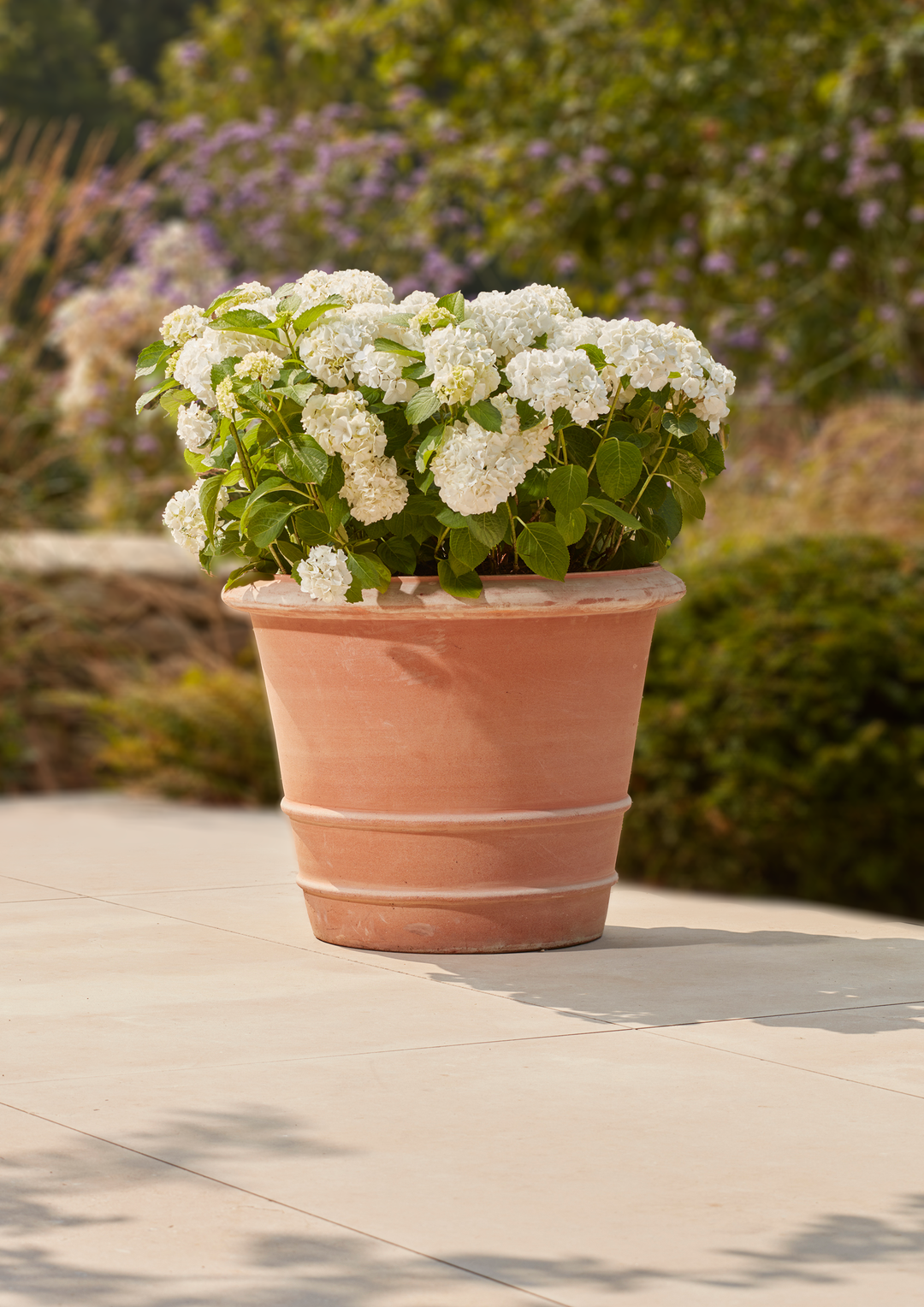
Planters play an important role in achieving this look, particularly in smaller gardens, patios and courtyards where planting opportunities may be limited.
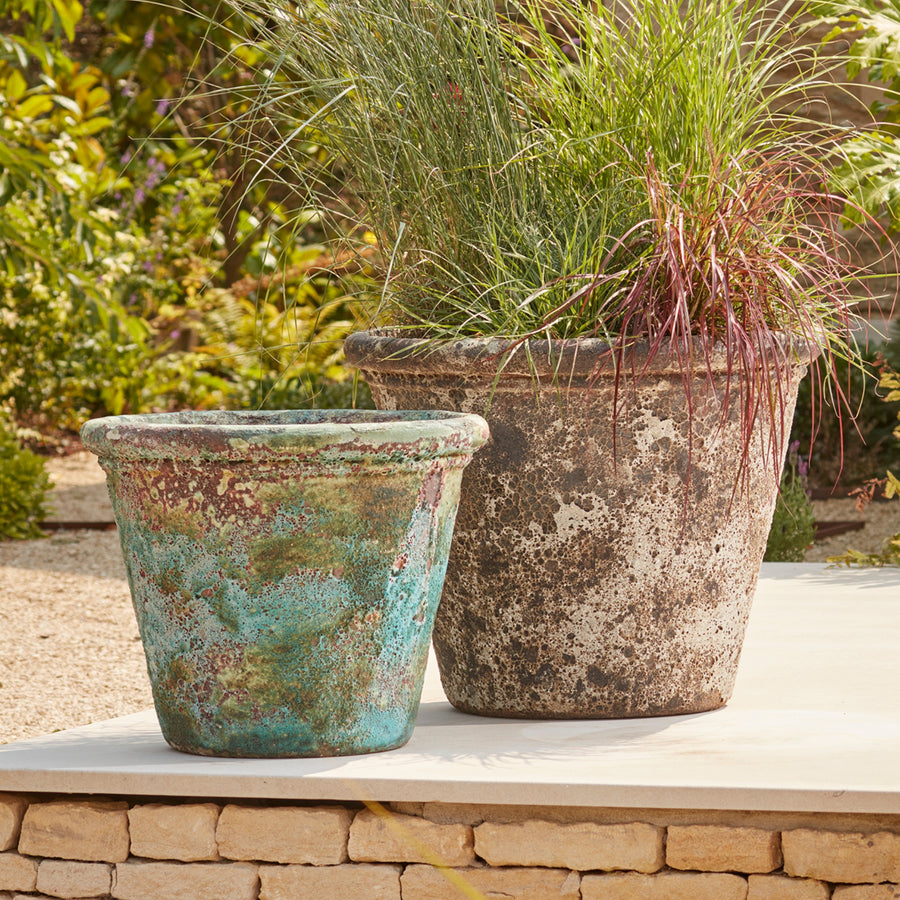
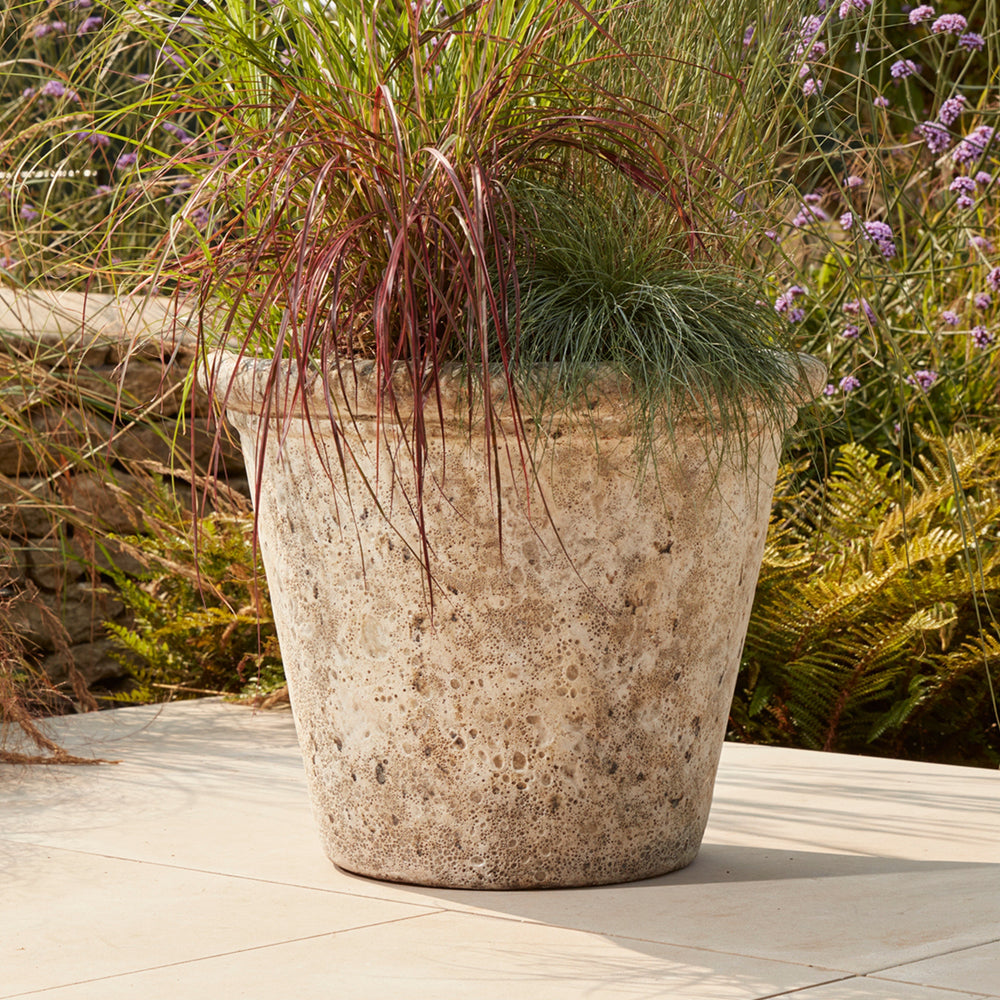
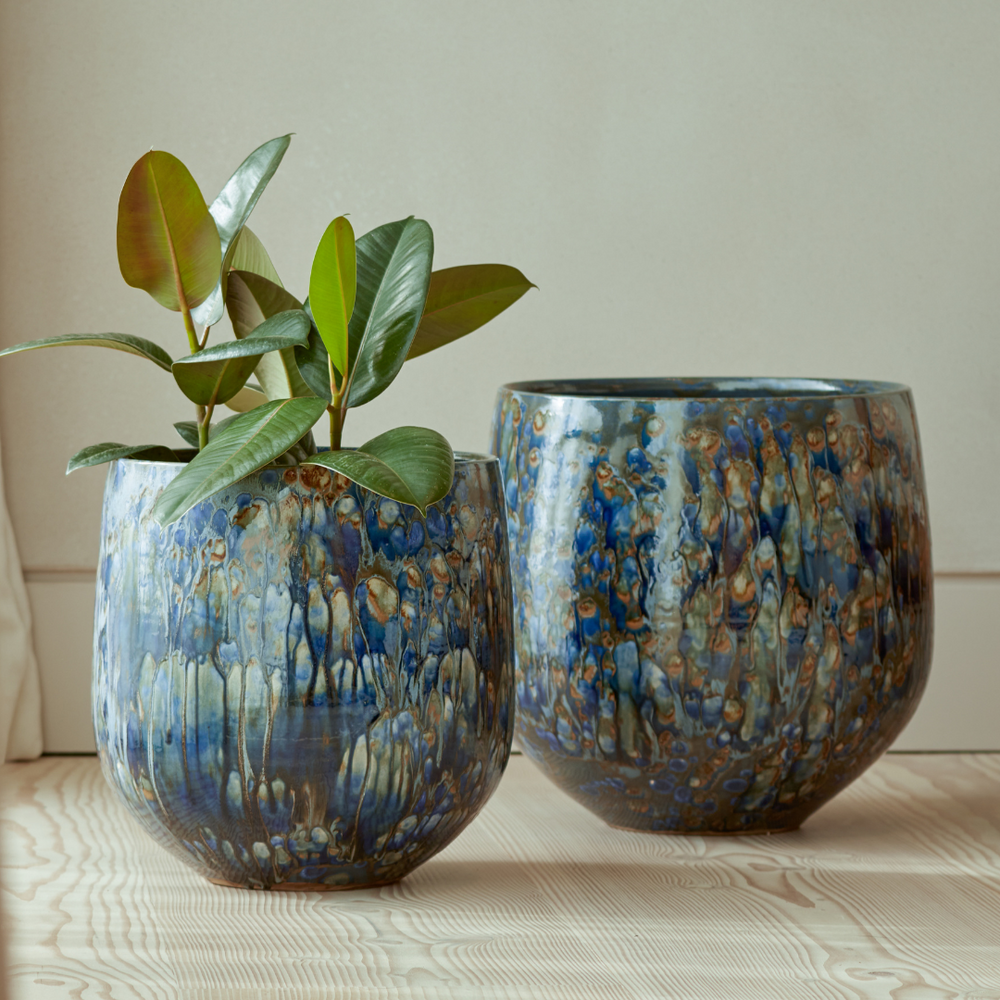
For timeless appeal, our Ancient Stone collection offers beautifully hand-finished planters inspired by weathered stone. Their aged appearance complements natural materials and planting schemes while creating the impression that they have always belonged within the garden.
Grouped around an urn water feature or positioned alongside stone water features, they help create a layered focal point that feels calm, balanced and established. Filled with ornamental grasses, they can also introduce gentle movement and soft rustling sounds, adding another sensory dimension to wellness-focused garden spaces.

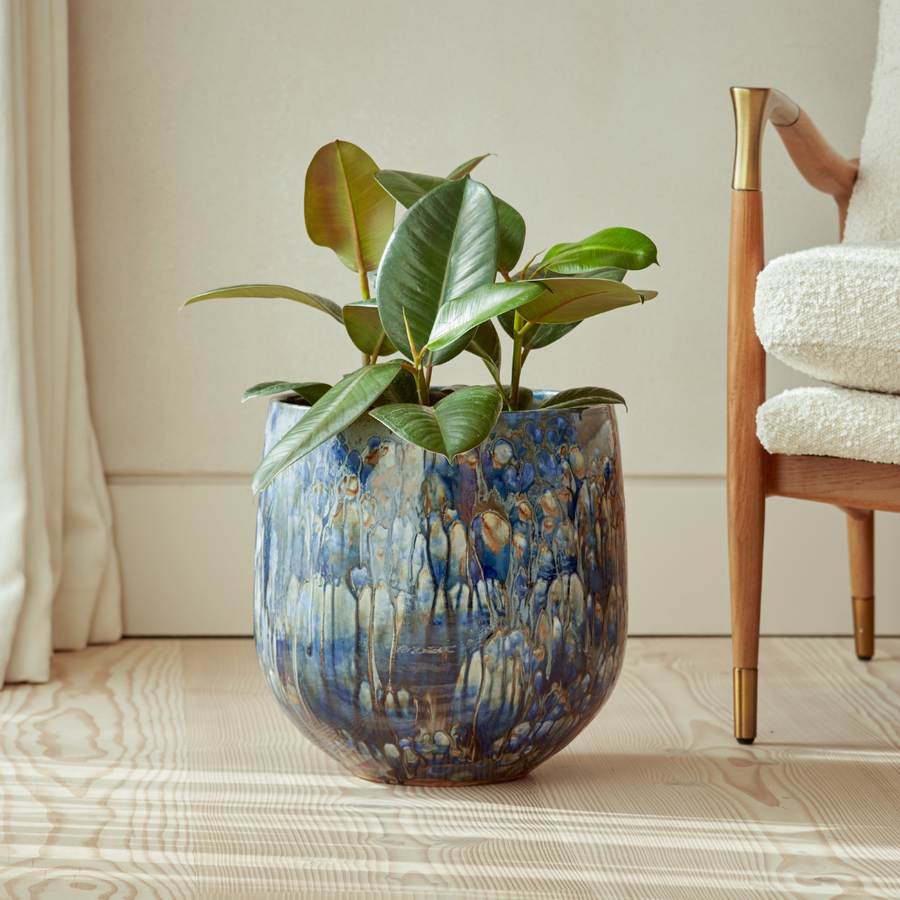
For contemporary gardens, our Gardenesque x Ecopots collaboration provides a sustainable alternative. Crafted from recycled materials and designed in Belgium, these planters combine sleek aesthetics with practical innovation, including discreet hidden wheels that make larger containers easy to reposition.
Placed around a courtyard water feature or used to frame a seating area, they help introduce greenery exactly where it's needed.
3. Design Spaces That Encourage You to Pause
A beautiful garden only supports wellbeing if you actually spend time in it.
One of the key themes emerging from Chelsea this year was the creation of purposeful spaces designed for relaxation. These weren't gardens designed purely to be admired. They were spaces intended to be experienced.
Comfortable seating is central to this approach.
Positioning a seating area near planting, water and natural textures encourages moments of pause throughout the day. Whether it's enjoying a quiet morning coffee, reading in the afternoon sun or catching up with friends on a summer evening, creating destinations within the garden helps encourage a deeper connection with the space.

Our rope garden furniture collection was designed to support a slower, more mindful way of living outdoors.
Handwoven around durable frames, the all-weather rope construction feels lighter and softer than traditional outdoor furniture. Combined with deep cushions and refined detailing, each piece sits naturally within the landscape while delivering exceptional comfort.
Alongside larger seating arrangements, benches offer a simple way to create a quiet place to pause, whether positioned along a garden path, beneath a favourite view, or within a smaller outdoor space. Designed to encourage moments of rest and reflection, they bring both functionality and a sense of calm to the garden.
The result is furniture that feels relaxed, contemporary and perfectly suited to wellness-focused outdoor living.
4. Engage All the Senses
The most successful wellness gardens don't rely on a single feature. Instead, they create a sensory experience that engages sight, sound, touch and even scent.
Water introduces movement and sound. Planting adds texture, colour and fragrance. Natural materials create warmth and authenticity. Together, these elements create environments that feel restorative and immersive.
Consider combining fragrant lavender, rosemary and jasmine with ornamental grasses that move gently in the breeze. Position seating where you can hear flowing water and enjoy changing views throughout the seasons.

5. Extend Your Outdoor Sanctuary Beyond Summer
Wellness shouldn't be limited to the warmest months of the year.
As outdoor living continues to evolve, more homeowners are investing in products that allow them to enjoy their gardens throughout the seasons.
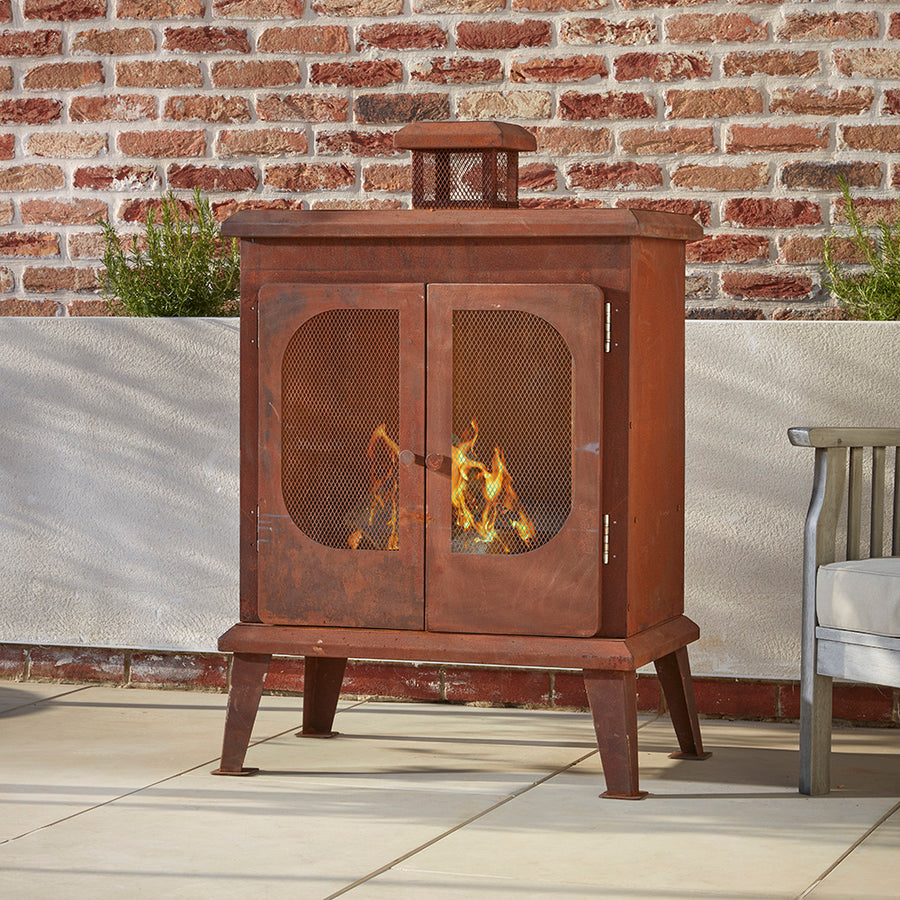
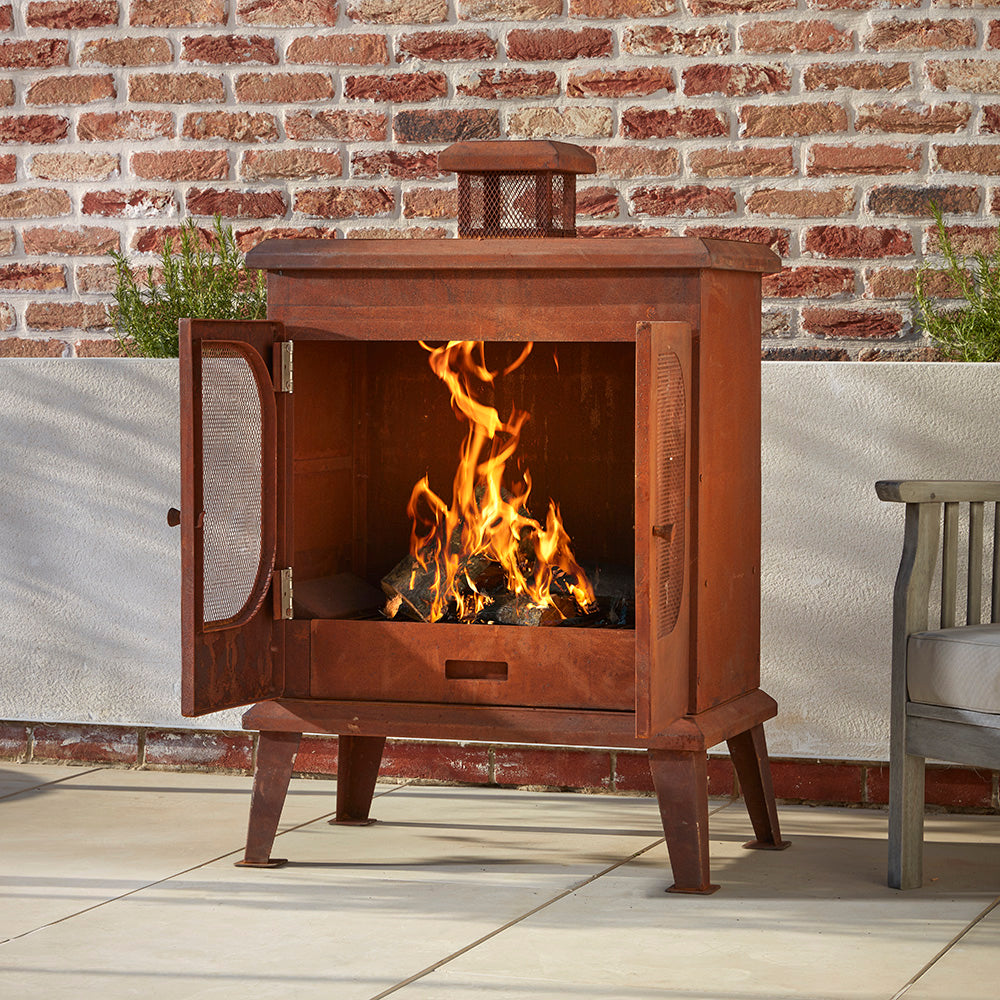
Outdoor heating is one of the simplest ways to extend the use of a garden into cooler evenings and shoulder seasons. Combined with comfortable furniture, ambient lighting and the sound of running water, it helps transform a patio into a year-round retreat.
Imagine sitting outside on a crisp autumn evening, wrapped in warmth, listening to the gentle sound of water while surrounded by planting and soft lighting. These are often the moments that define how we feel about our outdoor spaces.

FAQ's
What makes a garden feel more relaxing?
The most successful wellness gardens combine several sensory elements that encourage you to slow down and spend more time outdoors. Fragrant planting, gentle movement, comfortable seating, natural materials and the soothing sound of water all help create an atmosphere that feels calm and restorative.
Wildlife can also play an important role. Studies show that birdsong can help reduce stress and improve mood, making it a valuable part of a restorative outdoor space. Their song introduces a natural soundtrack to the garden, helping to mask distant traffic and other background noise while creating a greater sense of calm and connection with nature.
Water features or a bird bath provide a valuable source of fresh water for drinking and bathing for garden wildlife, particularly during warmer months when natural water sources can be scarce. Combine water with pollinator-friendly planting such as lavender, salvia, verbena and foxgloves, which provide nectar throughout the seasons. Layering trees, shrubs, perennials and grasses also creates valuable shelter, nesting opportunities and year-round habitat for wildlife.
How easy are water features to care for?
Self-contained water features are very easy to maintain. Most simply require occasional cleaning and regular topping up to ensure the pump remains fully submerged at all times. During warmer weather, it's worth checking water levels more frequently and removing any leaves or debris that may collect in the reservoir.
If algae becomes an issue, choose a wildlife-friendly water treatment that is safe for birds, pets and beneficial insects. Avoid harsh chemicals, particularly in gardens where wildlife regularly drinks from the feature or children might dip their hands in. Positioning a water feature in partial shade can also help reduce algae growth and slow water evaporation.
During winter, it's important to protect your water feature from prolonged freezing conditions. Water expands as it freezes, which can place pressure on ceramic surfaces surfaces and pumps over time. Where possible, drain the reservoir and cover or store the water feature so it is protected against the frost. If your water feature cannot be moved or tipped to empty, use a small submersible pump or siphon hose to remove the water. Once drained, cover the feature to prevent it refilling with rainwater and debris over the colder months.
With a little seasonal care, a quality water feature will continue to bring movement, sound and character to the garden for many years to come.
What is a self contained water feature?
A self-contained water feature is a water feature that includes everything needed to operate within the feature itself. The water is stored in an internal reservoir, continuously recirculated by a built-in pump and does not require connection to a mains water supply, external pond or plumbing system.
Unlike traditional water features that may need pipework or a separate water source, a self-contained design simply needs to be filled with water and plugged into a standard outdoor socket.
All of our water features are self-contained.
Benefits of a self-contained water feature:
- Easy to install – no excavation, plumbing or specialist installation required.
- Flexible positioning – can be placed on patios, terraces, courtyards or balconies.
- Low maintenance – water continuously circulates through the system.
- Easy to relocate – can be moved as your garden evolves.
- Suitable for most gardens – ideal for both small and large outdoor spaces.
Can I adjust the sound of a water feature?
Yes. All of our water features include an adjustable flow regulator, allowing you to control the speed of the pump and the height of the fountain. Increasing the flow creates a more pronounced sound and visual display, while reducing it produces a gentler, more subtle trickle.
The sound of a water feature can also be influenced by its surroundings. Adding decorative pebbles or larger stones around the water's landing point can soften splashing sounds or create a more natural, babbling-water effect. Surrounding the feature with planting can also help absorb background noise.
What maintenance does a wellness garden require?
Most wellness garden features are relatively low maintenance. To keep your space looking its best:
-
Keep water feature pumps fully submerged
-
Check water levels regularly during warm weather
-
Clean pump intake screens periodically
-
Remove fallen leaves, debris and algae as required
-
Use distilled water where possible to reduce limescale build-up
-
Protect water features during prolonged periods of frost
-
Prune and tidy planting areas seasonally to maintain a calm, inviting space
Read More on our Blog