


In Conversation with Dig Studio: Autumn Container Planting for Year-Round Interest
Alexandra Hollingsworth, Design Director at Dig Studio, shares her approach to creating beautifully layered container planting, exploring how considered plant combinations can bring lasting interest to gardens of every size.
Drawing on Dig Studio's Nordic planting theme and a second scheme designed for a shady corner, Alex joined us at the Gardenesque Show Garden to create two contrasting arrangements using our 50cm Chloe Large Glazed Plant Pots.
Through carefully considered combinations of foliage, form and seasonal detail, both schemes demonstrate how beautifully layered containers can transform outdoor spaces, creating naturalistic arrangements that evolve throughout the year.

Start with Colour, Texture and Seasonal Interest
When I'm putting together a planting scheme, I always begin by thinking about the overall character I want to create, rather than choosing individual plants in isolation. The relationship between different shapes, colours and growing habits is what gives an arrangement its identity, and I think the same principles apply whether you're designing an entire garden or planting a single container.
Some combinations lend themselves to a softer, more naturalistic approach, with delicate grasses and loose, airy planting. Others benefit from architectural foliage, stronger contrasts and a more defined structure. It's about understanding the atmosphere you're trying to achieve and selecting plants that contribute to that feeling.
One of the things I enjoy most about container planting is the opportunity to be expressive within a relatively small space. You can experiment with combinations that might otherwise be lost in a larger border, giving each variety an opportunity to contribute to the overall design.
For these two arrangements, I wanted to demonstrate how different planting palettes can create distinct moods, while considering how each might develop and change throughout the year.
Nordic-Inspired Container Planting for Seasonal Interest
There's a particular quality to the garden in autumn that I find really beautiful. As the brighter colours of summer begin to soften, you start to notice the movement of ornamental grasses, the warmth of changing foliage and the delicate seed heads catching the lower afternoon light.
It's this quieter side of the garden that inspired our Nordic planting theme, one of the newer themes we've developed at Dig Studio.
The scheme brings together greens, russet tones and rich reds, with an emphasis on plants that offer something beyond their flowering season. Rather than creating an arrangement that reaches its peak at one particular moment, I wanted the different elements to take on greater prominence as the year progresses.
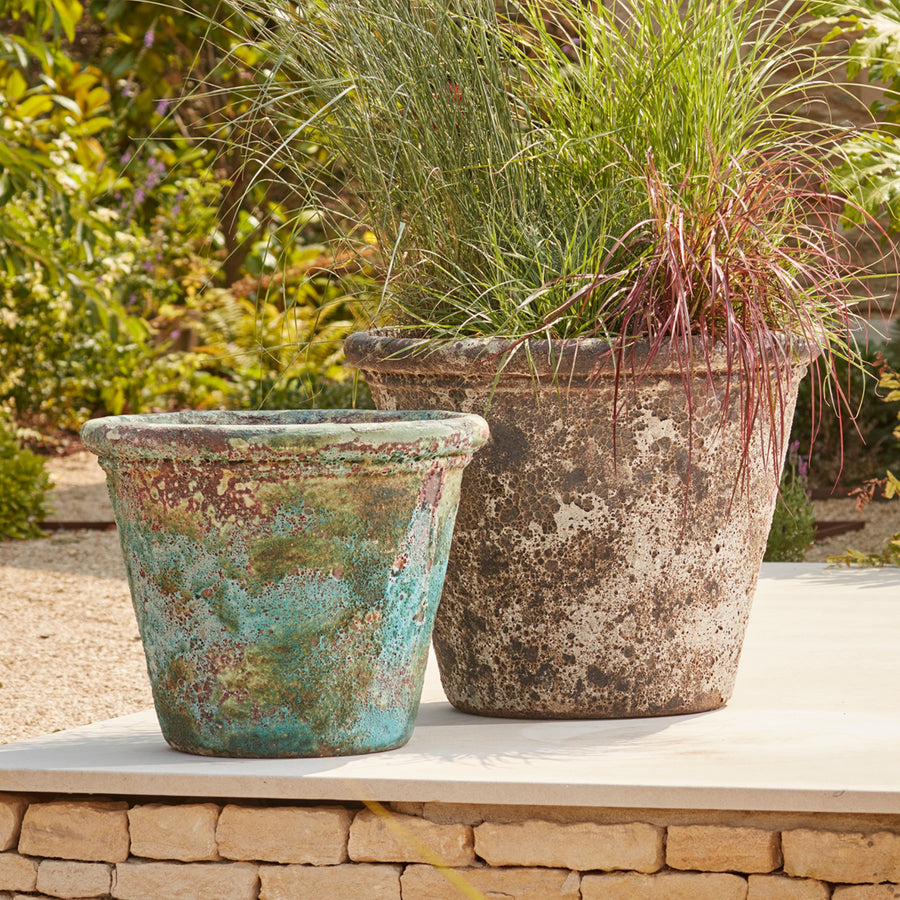
For this arrangement, we used the 50cm Chloe Glazed Plant Pot in Olive. Its earthy green finish sits comfortably alongside the autumnal palette, allowing the planting to remain the focus while adding richness to the overall composition.

Layering Ornamental Grasses, Colour and Texture
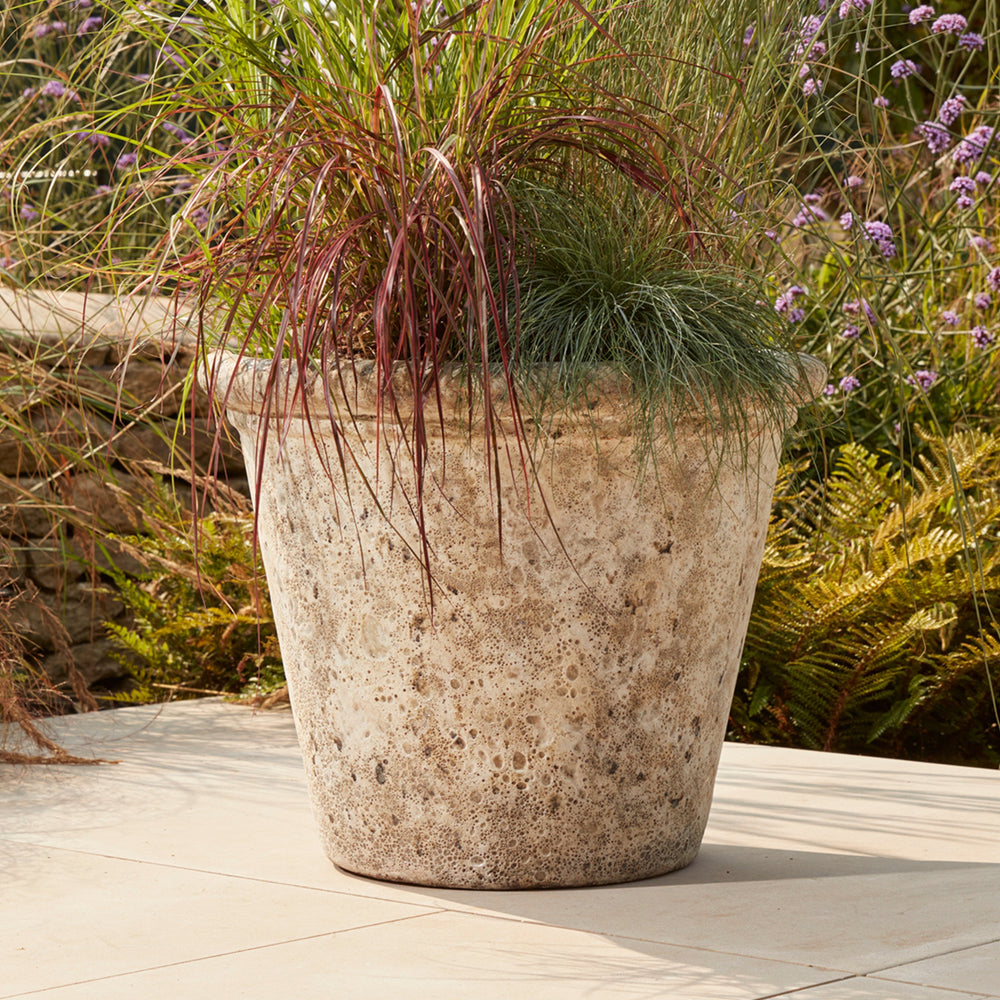
I've used Panicum, commonly known as switchgrass, to introduce height and a lovely sense of movement. Its airy habit provides structure without making the arrangement feel too dense, allowing the finer details of the surrounding plants to remain visible.
Through the middle, I've introduced Pennisetum, another ornamental grass with a very different character. Its soft, feathery flower heads catch the light beautifully, creating a delicate contrast against the more upright form of the Panicum.
I think it's important to consider how plants interact at different heights, particularly when working within the confines of a container. Even varieties with similar foliage colours can create an interesting combination when their forms and growing habits are sufficiently different.
To introduce a stronger accent, I've included one of my absolute favourite plants, Salvia 'Royal Bumble', which produces the most beautiful, pure crimson flowers. The intensity of the red brings warmth to the arrangement, sitting beautifully amongst the softer greens and grasses without overwhelming its naturalistic character.
Together, these plants create a balance between structure and movement, with each contributing something distinctive to the overall scheme.
Softening Garden Planters with Trailing Plants
One detail I always consider is how the planting meets the edge of the container. Taller varieties establish the overall shape, but allowing something to spill gently over the rim can make an arrangement feel more relaxed and established.
For this scheme, I've used something a little unexpected: strawberries.
Strawberry plants naturally produce runners that spread along the ground, but when grown in a container, these can extend over the edge instead. It's a simple way to introduce a trailing element, and one that makes use of a plant we might ordinarily associate with the kitchen garden.
I really enjoy finding alternative uses for familiar varieties. Sometimes looking beyond a plant's most obvious purpose can reveal an entirely different ornamental quality.
Inspired by this naturalistic approach? Explore Dig Club's Nordic Collection for Pots to discover the planting inspiration behind the scheme and bring a similar character to your own containers.
Container Planting for Shade: A Softer Approach
Shady corners can be some of the most atmospheric parts of a garden, yet they're often regarded as difficult spaces to plant. There's a tendency to associate beautiful containers with sunshine and an abundance of flowers, when in reality, lower light levels can provide an opportunity to explore a very different style of planting.
For our second scheme, I wanted to celebrate the character of a shaded position, using foliage as the foundation and introducing smaller accents of colour to create interest.
The arrangement combines deep and fresh greens with touches of white and rich red, encouraging you to appreciate details that might otherwise go unnoticed, from the glossy surface of a fern leaf to the delicate shape of a flower against darker foliage.
We chose the 50cm Chloe Glazed Plant Pot in Blue for this scheme. Its cooler finish provides a beautiful backdrop to the planting, while the glaze reflects the available light, bringing a subtle brightness to the space.

Letting Foliage Take the Lead
I've used Mahonia confusa 'Narihira' to establish the height of this arrangement. Its slender evergreen foliage has an elegant, architectural quality, providing a natural starting point for the softer layers beneath.
Mahonia is particularly valuable for the interest it offers through the colder months. Alongside its evergreen structure, it produces delicate yellow flowers in autumn and early winter, extending the season of interest when many other plants are beginning to fade.
Beneath the mahonia, I've introduced Asplenium scolopendrium, or Hart's-tongue fern, with its wonderfully glossy, strap-shaped leaves. Unlike the finer foliage we often associate with ferns, its leaves are quite substantial, providing a pleasing contrast against the more delicate mahonia.
To introduce a little lightness, I've included Astrantia major 'White Giant', whose intricate white flowers sit beautifully amongst the deeper greens. Astrantias are lovely plants for cooler, partially shaded positions, and their delicate flower heads bring a softer quality to the arrangement.
Alongside this, Heuchera 'Forever Red' introduces a striking accent through its richly coloured leaves. Positioned lower in the container, it provides warmth and contrast without relying on seasonal flowers.
What I particularly enjoy about this combination is that much of its character comes from the foliage itself. As individual plants move in and out of flower, the arrangement retains its structure and visual appeal.
Creating Depth with Layered Planting
To finish the scheme, I've introduced Hedera hibernica, or Irish ivy, allowing its trailing stems to extend over the edge of the planter.
The arrangement moves naturally from the upright mahonia through the fern and Astrantia to the lower-growing Heuchera and ivy. Considering these different levels helps give each plant its own space within the composition, rather than allowing the varieties to compete with one another.
The overall effect is quite different from our Nordic scheme, but the underlying principles are very similar. It's still about combining contrasting textures, creating a sense of depth and thinking carefully about how the plants will sit alongside one another.
And for me, that's what makes container planting so versatile. By changing the plant palette and the relationship between different forms, you can create something that feels entirely different while working within the same space.
For those looking to bring new life to a shaded garden space, Dig Club's Shady Corner collection offers further inspiration for creating a beautifully layered planting arrangement suited to lower light levels.
Choosing Garden Planters to Complement Your Planting
Something I particularly love about using large glazed containers in garden design is the way their surfaces interact with the surrounding light.
As the plants move, subtle reflections and shadows play across the glaze, creating a connection between the container and its surroundings. It's a detail that can be particularly effective in smaller gardens, where the relationship between individual elements becomes more noticeable.
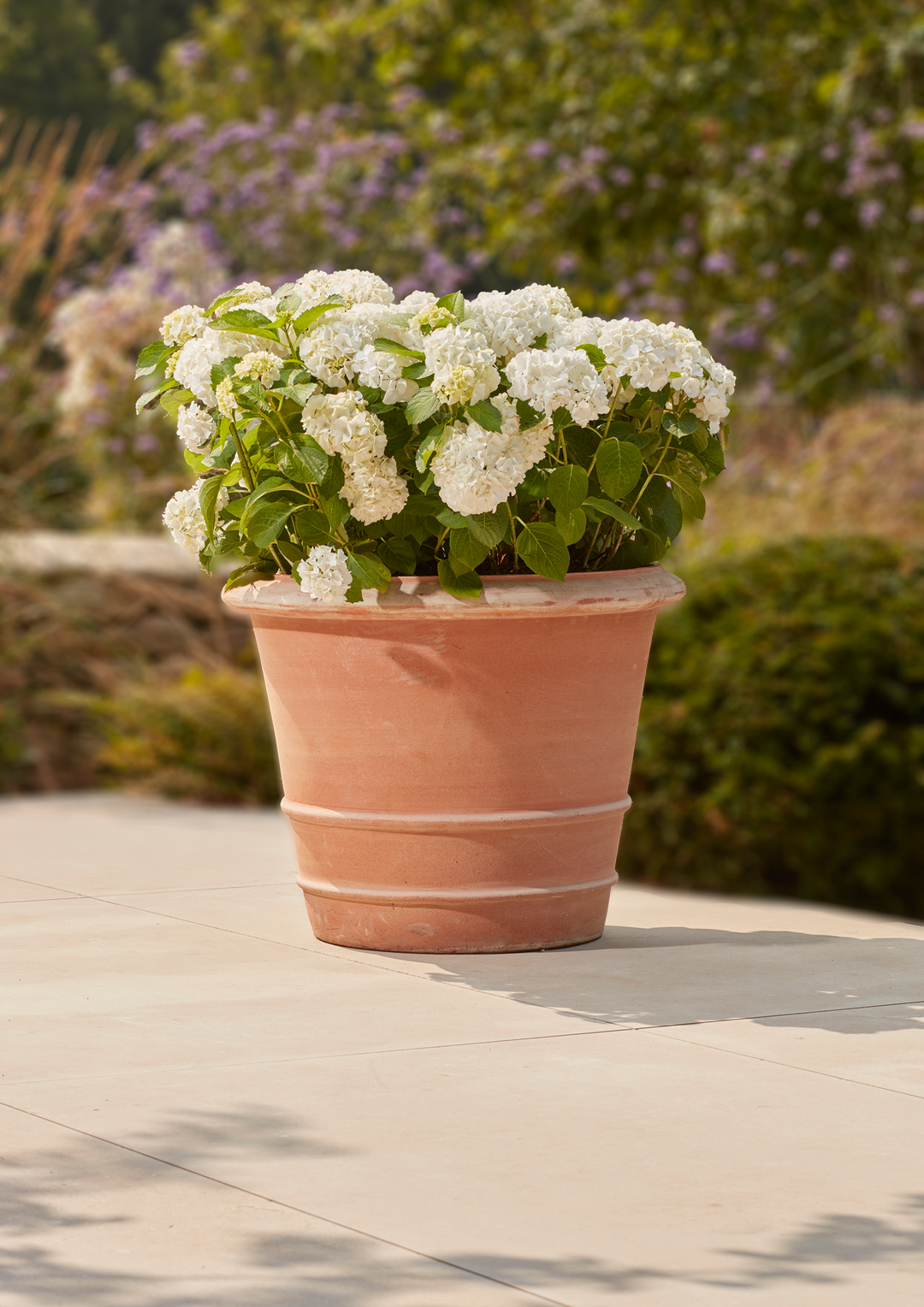
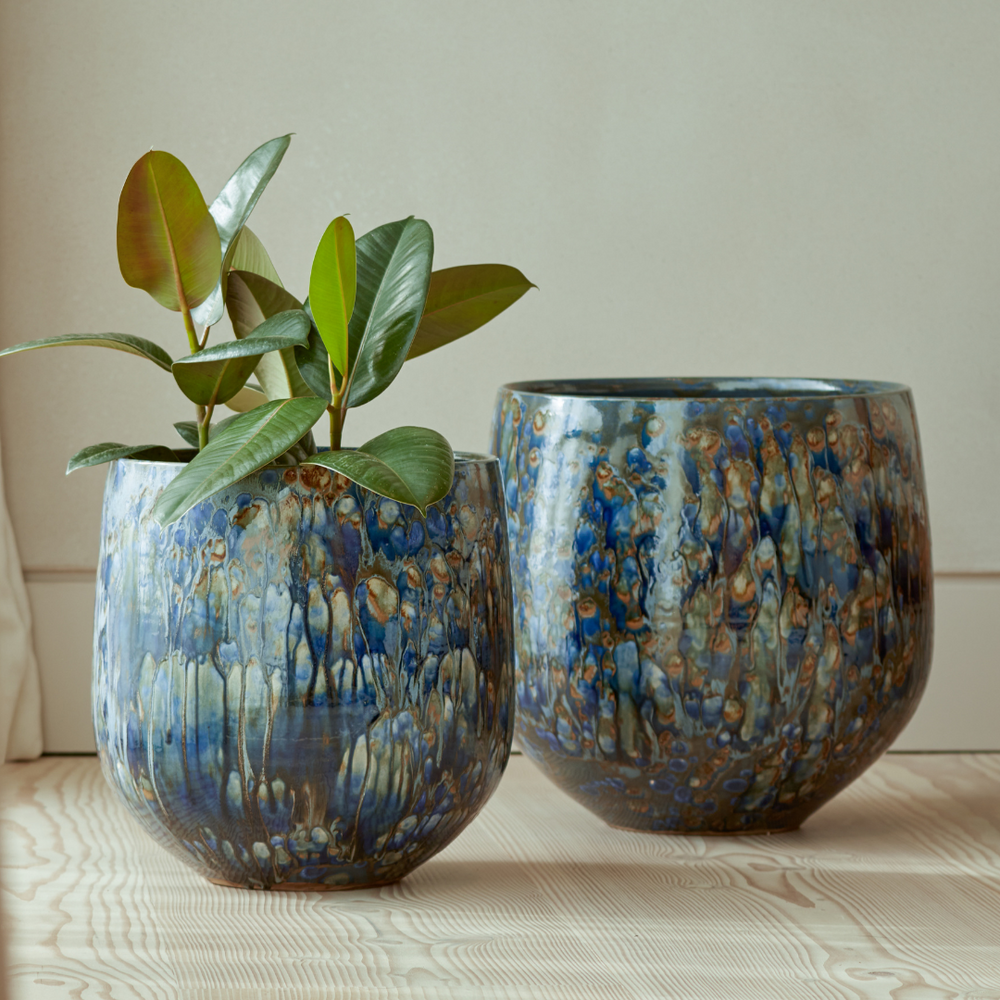
For these two schemes, we've used the Chloe Large Glazed Plant Pot in two different colourways, both in the 50cm size. Its classic conical silhouette and distinctive ribbed detailing provide a consistent starting point, while the contrasting finishes give each arrangement its own identity.
I always think it's worth considering the planter as an integral part of the design rather than simply a vessel for the plants. Its proportions, surface and colour can influence how an arrangement is perceived, helping to establish a sense of harmony or introduce a more deliberate contrast.
The Chloe planters are a lovely example of how a single design can work across different planting styles, from relaxed, naturalistic combinations to more architectural arrangements.

Expert Tips for Beautiful Container Planting
If you're looking to create your own planting combination, I'd encourage you to begin with a clear idea of the atmosphere you want to achieve. A few carefully selected varieties will often create a more successful arrangement than trying to incorporate too many different elements.
Begin with a considered colour palette. Choose a few complementary tones and allow variations in foliage, flower and form to introduce interest. A restrained palette can be particularly effective when working with a smaller container.
Consider height and growing habit. Combining upright structural plants with softer middle layers and trailing varieties creates a sense of balance. Ornamental grasses can be especially useful where conditions allow, introducing movement without making the arrangement feel too formal.
Look beyond the flowering season. Some of the most beautiful garden details emerge during autumn and winter, so consider incorporating varieties with attractive foliage, seed heads, berries or evergreen structure.
Let the growing conditions guide your choices. Whether you're planting in sunshine or shade, selecting varieties with compatible requirements will give your arrangement the best opportunity to thrive. It's also worth considering their eventual size and whether they'll have sufficient room to develop.
Choose a container that complements the scheme. Think about its proportions, finish and how it will sit within the surrounding space. A well-chosen planter can help bring the different elements of an arrangement together.
And perhaps most importantly, don't be afraid to experiment. Some of my favourite combinations come from looking at familiar plants in a slightly different way and discovering unexpected relationships between their shapes, colours and growing habits.
Read More on our Blog